


The Correlation – Fall Deaths and the Elderly
Falls have become a major global problem, with more than 684,000 fatal falls annually. It is now the second leading cause of unintentional injury deaths, the first being road traffic injuries. Around 80% of falls occur in low- to middle-income countries. Still, one thing remains consistent across all countries regarding fall-related deaths: death rates from fall accidents are highest among older adults, particularly those aged 60 and older.
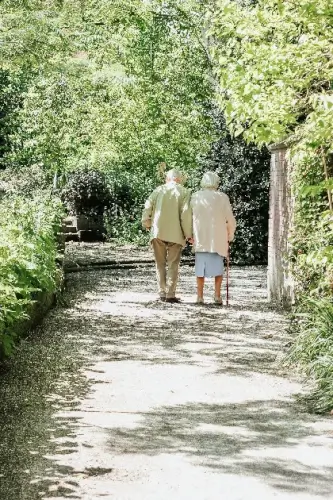 More than 37.3 million fall-related injuries each year require medical attention. Fall injuries contribute to 38 million disability years, which means more years are eventually lost in disability from a fall injury than drowning, burns, and poison combined.
Fall-related injuries and deaths have become a significant public health problem for developed nations, too, as they face an increasingly aging population due to higher life expectancies. As the number of older adults increases in developed countries, the number of fall-related injuries and deaths is also bound to increase.
At Ehline Law, we empower potential clients and attorneys by providing them with up-to-date, relevant resources to guide them. Our experts offer quality information about personal injuries or learn the best negotiation practices. This article will review some statistics and studies to explore the correlation between fall deaths and the elderly.
Let’s get started!
Who Are the Most at Risk from Fall Accidents?
Although everyone is at risk of injuries from fall accidents, some factors, like age and gender, impact the severity of the injury.
Age
Children and older people are at higher risk of serious fall injuries and even death than all other age groups. In the United States, around 20 to 30% of the elderly who fall suffer from moderate-to-serious injuries such as hip fractures, scrapes, bruises, spinal cord injuries, and traumatic brain injuries. The risk is higher in older people due to physical and cognitive changes from aging. This is further worsened due to environments that do not adapt to an aging population.
Children are also susceptible to fall injuries because of their evolving nature, curiosity, and level of independence. Children often have a risk-taking attitude, which makes them more prone to being in environments that could cause fall-related injuries. However, it is not just a hazardous environment that puts children at risk of fall accidents but also living in poverty and sole parenthood.
Gender
Although all genders are equally at risk of fall injuries, some factors increase the risk of fall-related injuries for one gender more than the other. In some countries, females suffer more from non-fatal falls than males, who are more likely to die from a fall. If you look at falls across genders globally, you’ll find that males sustain higher death rates than females because of hazardous occupations and higher levels of risk-taking.
Many other risk factors can affect the number and severity of fall injuries, including hazardous working conditions, overcrowded housing, pre-existing medical conditions, medication side effects, lack of vision and poor mobility, and unsafe environments.
Let’s examine some of the studies conducted in the past across different regions to see if there is any correlation between fall deaths and the elderly.
Study #1 – Deaths from Falls in the United States
The study analyzes the mortality rates calculated from the U.S. National Center for Health Statistics data for all 50 states for older populations aged 65 years and above.
Deaths from falls in the United States show a varied pattern. In the U.S., more than 30,000 people over the age of 65 died in 2016, and the death rates across states varied. For example, in Alabama, there were around 24.4 deaths from falls per 100,000 population, while the death rate from falls significantly jumped in Wisconsin, with 142.7 deaths per 100,000 population.
The death rates from falls have steadily increased over the years, making it a cause for concern for the United States government and its healthcare sector. From 2007 to 2016, the national death toll from falls has significantly increased in the country by 31%. This figure remains consistent with the 2000 to 2006 findings, with an increase of 42%.
Findings from the Study
Higher Rate of Deadly Falls Among Men
In 2016, the CDC recorded more fatal falls among men than women, while they found that women are more likely to sustain non-fatal fall injuries than men. There are many factors contributing to this pattern, including falling from a ladder and falling while drinking, as these two increase the risk of severe injuries from a fall.
Increasing Rate of Death from Falls Among the Elderly
The population of older adults is increasing steadily, and in 2019, there were approximately 54.1 million people aged 65 years or older in the United States.
The rate of deaths from falls in older adults as a whole is higher than in any other group because of age-related factors, including reduced activity, chronic medical conditions, increased prescription medication use, and changes in balance from aging.
Although the population aged over 65 years in the United States is increasing, so is the death rate from falls among this group, and the fall death rate is increasing significantly among populations aged 85 years and above. The number of people aged 85 will reach approximately 8.9 million by 2030, and 3.9% of them will be at risk of death from falls annually.
Differences in Mortality Rates Across States
The study found a clear difference in mortality rates across states, possibly due to racial composition or the resident’s overall health. In 2016, mortality rates from falls for older white male adults were higher than any other ethnic group. This is why Wisconsin residents have a higher mortality rate than Alabama due to the higher proportion of older white adults in the state.
Another reason for the startling difference between state mortality rates is differential injury coding practices. Some states employ medical examiners, while others employ coroners to complete death certificates. In 2012, a coding patterns study reported that coroners recorded 14% fewer fall deaths than medical examiners.
Limitations of the Study
Any study has certain limitations, and in the case of deaths from falls in the United States study, there were four limitations.
- Injury coding practices are not the same across different states, and there may be some changes in coding during the study period, resulting in increased mortality rates from falls in the country.
- The funeral director is responsible for providing information about the race of the person who died. In this case, there is a possibility that the funeral director made observations about Hispanic ethnicity, resulting in an underestimation of deaths in that race.
- The U.S. Census provides data for age-adjusted rates; according to them, the number of people aged 65 and above may have been undercounted, leading to overestimated mortality rates.
- There could be a misclassification of death where the responsible person may report a person who died from a fall as a person who died from a heart attack or vice versa. This could lead to either an overestimation or an underestimation of mortality rates due to fall accidents.
The study provides recommendations for the increasing deaths from falls among older adults aged 65 and above, and these include introducing screening for fall risk and addressing risk factors such as gait problems and polypharmacy (the intake of more than five medications at a time.).
Solutions that target multiple risk factors are the key to effectively reducing the mortality rate from fall accidents. Healthcare providers should also conduct annual wellness visits to monitor older people’s medical records, educate them on prevention strategies, and help select the right interventions.
Study #2 – Falls Among the Elderly in Riyadh
Another study conducted in Qatar among 357 participants aged 65 and above suggested a prevalence of falls among older people. The study also aimed to understand the impact of health conditions and environments on falls among the elderly in Riyadh.
In Qatar, more than one in every three older adults suffered from falls in the year 2008. Around 45% of these suffered from a fall once, while the remaining experienced recurrent falls.
The study in Riyadh consisted of a 47% male sample and 46.5% of the participants were older than 70. The sample should give a fair representation of fall accidents among males and females in Riyadh and their connection between health and environmental conditions. Let’s look at the study results to determine if there is any correlation between falls and older people and whether certain factors affect the number of fall accidents annually.
Findings from the Study
The Risk of Fall Increases with Age
The study reported that age strongly correlated with fall accidents among older people in the country.
Only 34% of the study participants (aged 60 to 69) suffered a fall accident. The percentage increased significantly as the age increased: 49% of the participants aged 70 to 79 and 65.5% aged 80 to 89 reported a fall accident. Among the participants aged 90 and above, 63% reported a fall accident.
The study also explored the risk of falling among older people, and the findings suggested that it also increased with advancing age. Participants aged 60 to 69, 70 to 79, 80 to 89, and 90 and above had a 67.9%, 81%, 93%, and 100% risk of suffering a fall, respectively.
Gait and Fall Injuries
A gait is a limb pattern movement or stride during locomotion. The study explores the incidence of falls among the elderly, depending on health conditions such as gait.
The study’s data revealed that 44% of the elderly participants had a history of falls with a normal gait. The incidence of falls significantly increases as gait conditions start to deteriorate with old age. The findings report that 71% of the participants had a history of falls with a weak gait, while approximately 83% had fall incidences with an impaired rate.
From the information above, one can conclude that as the severity of the gait increases, so does the incidence of falls among older people. A study conducted in Brazil on the determinants of falls in community-dwelling elderly found similar results. The same survey also showed a history of falls among 72.5% of the older adults using walkers and 85.7% of the older adults with intravenous connections.
Incidence of Falls and Other Factors
Besides the correlation between gait and falls, the study also explored the incidence among the elderly and other factors such as age, lack of voluntary control, vision, problems associated with movement, prescription medication, mental health, and hazardous environment.
The study’s findings reported a significant correlation between all the factors mentioned above, except vision and the incidence of falls. However, the data suggested that there was no correlation between mental health and the occurrence of falls. According to the data, there was a strong correlation between environmental hazards and the occurrence of falls, suggesting an increased risk of falls in hazardous environments.
Similar findings were also reported in a study conducted in India to assess the prevalence of falls among the urban elderly population. It reported that 81% of the older population experienced a fall when exposed to hazards.
A study in Korea on health-related factors among home fallers in older Korean women also reported similar findings. It stated that some hazards, such as poor lighting, slippery floors, and door sills, caused falls and that 75% of the older women diagnosed with three diseases or more had a history of falls.
In 2014, a study conducted in Canada determined the relationship between chronic diseases and falls among 65 and older, and similar results were obtained. The study reported that the risk of falls was significantly higher in the elderly with multiple chronic illnesses than in those with none. Chronic conditions include diabetes, cancer, asthma, heart disease, and arthritis, among many others.
These findings were further supported by a 2014 study in India, which found a correlation between falls and other risk factors. Approximately 74% of older people with incontinence or lack of urine or bowel control in the study had a history of falls due to obstacles in the way late at night when they needed to use the bathroom frequently. 61.6% of the elderly participants reported a fall due to visual problems from old age.
In 2013, a study conducted in Japan investigated the correlation between multiple medications and falls among the elderly. The findings reported that approximately 70% of the participants taking more than five medications a day reported a history of falls.
Limitations of the Study
Although the study highlights falls as a common occurrence among older people in Riyadh, some study limitations require further investigation. The sample demographic was from different parts of Riyadh, and there were discrepancies in the number of participants from various regions.
Another limitation of the study was the environmental factors mentioned that could possibly cause falls in Riyadh. These factors require further studies to determine the correlation between hazards or ecological factors and the elderly population.
In conclusion, the study highlights the prevalence of falls among older people and the increasing risk of falls with age. It also reports the strong connection between the elderly population’s health status and the risk of falls. A health awareness program that educates the elderly on the possible dangers of fall accidents and promotes prevention strategies to help them cope with their advancing age is needed.
Study #3 – Mortality Trends of Falls Among the Elderly in China
An analysis conducted in China from 2013 to 2020 explored the mortality trends of falls among the elderly in China, especially the factors surrounding fall deaths. The mortality data used for the study came from the Chinese CDC (Centers for Disease Control and Prevention) and covered around 324 million people, or 24.3% of the population at the time.
Findings from the Study
Increasing Trend of Falls Death Among Older Adults
Previous studies have shown an increasing trend in fall mortality rates in developed countries. A study in the USA that explored the prevalence of falls among older adults from 2004 to 2007 and another study conducted in the Netherlands between 2000 and 2016 explored the correlation between fall deaths and people aged 80 years and above; all reported an increase in fall mortality rates.
Analysis conducted on the data obtained from the Chinese CDC suggested similar patterns. In 2013, the mortality rates per 100,000 population across the 60 to 64, 65 to 69, 70 to 74, and 75 to 79 age groups were 11.49, 15.5, 21.7, and 45.3, respectively. The results showed an increase in fall mortality with advancing age.
However, the 2020 results suggest a different analysis. In 2020, the mortality rates per 100,000 population across 60 to 64, 65 to 69, 70 to 74, and 75 to 79 age groups were 12.4, 17.9, 30.2, and 62, an increase of 8%, 15.5%, 39%, and 37% over eight years, respectively. The findings report an increasing trend of fall mortality in China over the last eight years among the elderly population.
The reason for the country’s increasing fall mortality rates is that many older adults are living much longer. Although an increase in life expectancy is a great feat, it also means that there is an increased risk of fall injuries among the elderly.
Higher Mortality Rates Among Men
The study indicated that more men were at risk of fall deaths than women in the country. The reason provided to support this trend was that men have higher overall levels of outdoor activity, which did not go well with rapidly declining leg muscles due to aging, thus resulting in more severe types of fall injuries than women in China.
This is not the only study that explores the higher mortality rates and sex differences and reports similar findings. One study analyzed data from 1996 to 2012 and concluded that men were more likely to experience a traumatic brain injury in a car accident where they were behind the wheel. Another study found that men were more susceptible to head and chest injuries from falls, while women were more likely to have extremity injuries.
The reason for such differences between death rates and sex differences was primarily attributed to smoking-related diseases such as hypertension, stroke, and other heart-related diseases. In such studies, these risk factors correlated with the prevalence of falls. Older men with these diseases were at a heightened risk of life-threatening falls during fall events.
Higher Mortality Rates and Age
Many studies have found that older people are more likely to die from falls, and this mortality trends study confirms this. As people age, they become frail and lose muscle and bone density, making it difficult for them to survive a fall.
Fall mortality rates among age groups 70 to 74 and those over the age of 80 show an increasing trend, suggesting the need for more attention towards the elderly population. Strength and balance training in old age can help improve movement and reduce the risk of fatal and non-fatal fall injuries.
Specific exercises about high-velocity movements could improve muscle strength, which aids in better balance and a higher chance of surviving a fall accident. A controlled trial of senior adults over 70 practicing Tai Chi showed that the training effectively improved balance and reduced the number of falls.
Higher Mortality Rates and Geographic Factors
The study also reported geographical disparities in mortality rates among the elderly across China. Those residing in the southeast and central parts of China had significantly higher mortality rates than those in the northeast. Possible explanations for this include severe weather conditions, such as typhoons and heavy rainstorms in the southeast and central provinces of China, which increase fall accidents.
Another reason there is such a stark difference between the mortality rates of the Southeast and the Northeast is that the Southeast has a much warmer climate. Previous research has found that colder climates lower physical activity levels among older adults. A warmer climate encourages older adults to leave their homes, increasing activity frequency, which results in a higher risk of fall accidents.
Limitations of the Study
This study on mortality fall trends among older adults in China has some limitations. It does not explore other parameters, such as analyzing non-fatal falls, which may directly impact fall-related death trends. Limited data is available at the Disease Surveillance Points System, which doesn’t collect detailed information on factors for falls among older adults.
There is also a severe concern about misclassification of deaths or errors in re-coding deaths. We have already discussed the coding issues with the previous study conducted in the United States. Because of a similar concern here, fall mortality rates in the country could easily be overestimated or underestimated.
The mortality rates of Tibet and Hainan province may be underestimated because of the primary staff’s lack of responsibility and the lower quality of data reporting.
Besides these limitations, the study produced valuable findings crucial for effective nationwide policy development in healthcare institutions. Overall, fall-related mortality in China among older adults aged 60 and above consistently increases.
The study’s findings indicate the need to increase interventions and social support for groups most at risk. Local public health agencies must also increase their efforts to improve, promote, and implement effective interventions. They should focus on developing standards across different provinces according to the province’s characteristics to help reduce the region’s fall mortality rates and the burden on society from higher death counts from falls.
Study #4 – Fall-related Injuries and Deaths Among the Elderly Population in Finland
A 1999 study in Finland explored fall-related injuries and deaths among the elderly population from 1970 to 1995. Participants included all those admitted to the hospital over the age of 50 for the first fall injury treatment. The data was then compared to the same elderly patients for all fall-induced deaths.
Results – Fall-Induced Injuries
Older people with fall-induced injuries increased by 284% from 5,622 in 1970 to 21,574 in 1995. The breakdown of these figures suggests that older women are more prone to fall-induced injuries than older men, as the number of women with fall-induced injuries increased from 3,659 in 1970 to 14,764 in 1995.
There was an increase of 12.1% in fall-induced injuries in women and a 9.9% increase in men. Although the older Finnish population, aged 50 and above, increased by 36%, a significant increase of 183% in the number of fall-related injuries per 100,000 people, from 494 in 1970 to 1,398 in 1995. A detailed examination of the incidence curves suggested a slight decrease in fall-related injuries from 1970 to 1977, which steadily increased.
Results – Fall-Induced Deaths
The number of deaths from falls among the elderly increased by 80%, from 441 in 1970 to 793 in 1995. When categorized by gender, the number of deaths from falls increased in women by 58% and in men by 117%, with average annual percentage increases of around 2.4% and 4.9%, respectively.
The incidence curves for both genders also increased, but there was no clear trend after age adjustment. For women, the age-adjusted incidence curve for fall-related deaths decreased from 1971 to 1975 and remained stable. The age-adjusted incidence curve showed a slight increase for men from 1971 to 1995.
Findings from the Study
No Significant Increase in the Age-adjusted Incidence of Fatal Falls
The findings regarding fall-related injuries among the elderly Finnish population are undoubtedly concerning. First, fall incidences among the elderly in the country are increasing, and at the same time, the population is also showing an increasing trend. Second, the study also shows that the mean age for fall-related injuries has substantially increased, which means that it may be more challenging to treat the elderly in case they sustain any injuries.
Age-adjusted fall injuries are increasing, but there is no precise reason for this. Many experts believe this is due to reduced bone density as people age.
However, it’s reassuring that the age-adjusted incidence of fatal falls did not show a clear increasing trend. This was due to improving healthcare and treatments and world-class rehabilitation.
The Prevalence of Falls is Evident in Adults 80 Years or Older
The study reports increased falls among older adults aged 80 and above. The country’s improved healthcare system and standard of living have led to a rise in the survival rates of the older population.
However, as the country’s population ages, there is a clear risk of falls and injuries. The study provides several explanations, such as pre-existing medical problems, poor neuromuscular function, reduced mobility, and the use of medications or substances that could increase the risk of falls.
The risk of falling Increases for older adults in young age groups.
The study reports an increased risk of falling among older adults aged between 65 and 75 years. In Finland, people have improved average health, resulting in an older population partaking in more activities, which could be why there is an increased risk of falling among this age group. The older adults in this younger age group are also consuming more alcohol than the ones in older age groups, resulting in increased fall risk.
Limitations of the Study
Although the incidence of falls among older adults in Finland has developed linearly, this study needs to explore a point of consideration.
Since the study was conducted in 1999, it was estimated that the incidence of falls would increase to 36,000 in 2010. However, this does not take into consideration the most prominent Finnish population group that will not reach the mean age of the participants in the study. Therefore, the estimations are not correct. If the current largest Finnish population group is considered, a massive fall spike will occur by 2030.
In conclusion, the study recommends vigorous preventive measures to reduce the incidence of falls in the country and the burden on healthcare providers and society of age-related fall injuries. There is strong evidence that balance and strength training can help reduce these injuries, while simultaneous assessment and reducing situational risk factors can further minimize the risk of falling.
Preventing Falls in Older Adults
The World Health Organization suggests a range of interventions to prevent falls in older adults, and these include:
- Gait and balance training
- Practicing Tai Chi daily
- Modifying homes according to older adult needs
- Reducing the intake of psychotropic drugs
- Intake of Vitamin D supplements to support bone strength.
You could implement other interventions, but there aren’t enough studies to prove that these effectively reduce the fall risk in older adults. Some examples include fencing access to dangerous areas, neighborhood pavements, a functional healthcare system, and safe scaffolding.
The U.S. Department of Health and Human Services has also provided a few tips for older people to follow to prevent falls or fall-related fractures, and these are:
- Staying active: Exercise remains integral to life, improving muscles and increasing strength. Exercise can make a person’s bones flexible and slow down bone loss from osteoporosis.
- Get your vision and hearing tested: Changes in vision and hearing can increase the risk of falling, so it is crucial to check them. Once you’ve got your vision and hearing checked, make sure to wear your glasses and hearing aid at all times.
- Learn more about your medication: In old age, a doctor may prescribe several medicines to cope with various ailments, which can affect a person’s balance, causing them to fall and sustain injuries. If the medicine makes you sleepy or tired, speak to your doctor.
- Reduce alcohol consumption: Drinking moderately can be a great and fun social activity, but drinking in old age can affect your balance and reflexes more than you think. Many studies report a strong correlation between hip fractures and alcohol consumption. Hence, you may not have the alcohol tolerance you used to have back in the day, so it is essential to reduce your alcohol consumption.
- Please exercise caution when walking on icy surfaces. During winter, ice can accumulate on your home’s driveway, making it slippery. Whether you go out to check the post or sit in your car, take each step carefully, as you could risk slipping and causing injuries. Also, pour salt and sand on your front and back doors to reduce ice.
- Keep your doctor informed: Your doctor is your best caretaker when adjusting medication or diagnosing medical problems. Even if you’re not hurt, tell your doctor about your fall incidents since the last checkup so that they can assess if the medications are causing any problems with balance, if there are any vision changes, and so on.
- Keep your bones strong: Falls are common in old age, but you can reduce the incidence of fall-related injuries such as broken bones or hip fractures by ensuring your bones are strong. If you’re not getting enough calcium and vitamin D in your daily diet, take calcium and vitamin D supplements. Also, quit smoking, as it can decrease bone mass.
- Have a balanced diet: Eating well can keep our bodies in shape and provide enough weight to sustain impacts from falls. If you’re underweight, you increase the risk of bone loss, which can result in broken bones during a fall accident.
Summary: Risk Factors and Causes
We’ve reviewed four studies exploring the prevalence of falls among older adults in the United States, China, Finland, and Riyadh. In addition to these four studies, many materials and resources are available to study the risk of falls among the elderly. Let’s combine and summarize some of the risk factors and causes of falls in older people aged 65 and above.
All the studies suggest that most fall in the older population are multifactorial, meaning many factors simultaneously contribute to the fall. However, what remains limited is our knowledge of how these risk factors work together to produce the fall.
Intrinsic Risk Factors
Visual input and proper limb movements are essential in maintaining balance and the center of gravity, but advancing age can compromise these sensory pathways. Postural disturbances can cause falls, and the slowing of postural reflexes due to age forces the body to exert more muscular force to combat these postural disturbances.
The studies report that visual impairment, reduced lower extremity strength, and reduced grip are all associated with falling risk. Arthritis in the lower body negatively affects a human’s gait and causes balance problems that can lead to fall accidents. However, further studies need to be conducted to understand the correlation between sensory issues and falls.
Medications such as psychotropic, antiparkinsonian, and other related medicines can also result in falls in older adults if they are inappropriately dosed since these types of medications can negatively impact alertness and psychomotor functions, which in turn causes dizziness and fatigue. The studies conducted show a strong correlation between hypnotic-anxiolytic drugs and falls. Some studies point out polypharmacy as an issue for the increased risk of falls. However, there needs to be further investigation into the synergy between different drugs and postural instability.
Not many studies have found an association between chronic medical conditions and falls, but this remains uncertain as some studies demonstrate a clear correlation. Perhaps further investigation is needed into how chronic medical conditions might play their role as risk factors for falls.
Extrinsic Risk Factors
Studies also show a clear connection between the risk of falls and healthy older adults, but combining these with intrinsic risk factors can further increase the risk of falls. For example, minor environmental hazards might not be a problem for a healthy individual, but they can become significant obstacles for someone with gait impairment or mobility issues. Some physical tasks beyond an individual’s competence can result in a fall.
Extrinsic risk factors play a considerable role in the risk of falls in active older adults, as these individuals partake in risk-taking activities such as ladder climbing, running, and more. On the other hand, falls in older adults who are not as healthy are usually due to routine maneuvers carried out in the comforts of their own homes.
Another critical factor that causes falls in older adults is behavioral and cognitive factors that affect an individual’s ability to perceive their capabilities, environmental conditions, and task demands.
Researchers suggest modifying the daily activities of the older generation to make it much easier for them to carry out tasks and minimize the risks of accidents. However, it is essential to maintain a balance between reducing risk and minimizing one’s quality of life. Although some measures can help reduce risks considerably, they can often restrict an individual, leading to depression, physical deconditioning, and other cognitive problems in the long run.
Environmental Factors
One-third of the older adults with a history of falls have pointed out environmental factors as the leading cause of their fall accidents. These factors may include inadequate lighting, slippery floors, non-skid surfaces in the bathroom, poor stair designs, and others. However, only a few studies explored the environmental factors at home and their impact on falls in the older generation. The findings of these studies were inconclusive.
Intrinsic and other situational risks play a part in environmental factors causing falls. An older person with a bad posture and inadequate lighting can lead to a fall. Researchers believe familiarity with one’s environment can help reduce the risk of falls, but there is a need to understand the factors that affect this environmental familiarity.
Determinants of Injury
The severity of a fall injury depends on several factors, such as tissue elasticity, bone strength, and body organ tolerance. Since there is an apparent decline in muscle tissue and bone density among older adults, they are more prone to severe injuries than healthy middle-aged individuals. As bone density declines after age 50, the risk of broken bones, hip fractures, and other damage to other body sites increases.
Other factors affect the severity of a fall, including its orientation and speed.
The outcome of a fall is far more severe in older people than in younger adults due to impaired tissue regeneration ability and inadequate immunologic function. Although these factors are important in aiding functional recovery, our understanding of them remains poor. There is also not much information on the factors influencing fear and anxiety after a fall.
It is essential to keep your doctor in the loop regarding any deterioration after a fall or regarding your health to ensure timely changes in medicine and intervention recommendations. If you want to retain a trusted slip and fall attorney, contact us at + (213) 596-9642 or info@ehlinelaw.com.


