Pit Bull Community Bans in California Orwellian or Good?

The Dangerous Dog Sterilization Ordinances Discussed

Physical Control Matters Not!

Ultimate Guide to Understanding Dangerous Dog Sterilization Law. Do you think Pitbulls are dangerous dogs? Many progressive lawmakers believe they should be able to force you to sterilize yours. Even if it is a potentially dangerous dog, should you be barred from being an owner or keeper? Should the so-called dangerous dog be sent to be euthanized at an animal shelter in the name of public safety?

I am Michael Ehline of Ehline Law Firm, Personal Injury Attorneys, APLC. Established in 2005, we are the premier premises liability and dog bite injury law firm in CA. I am here to discuss pertinent information about dangerous dog ordinances for new owners, families, and even law enforcement personnel wanting to learn about thele and animals affected.

Local municipalities increasingly ignore the Constitution and pass laws to restrict others of their life, liberty, and property. The new generation seems to believe that the government knows best. They are ceding many rights our founders fought and died for, especially regarding the Second Amendment, and apparently against a dog’s owner, even though they are domestic animals.

Reasons People Surrender Your Rights?

The new mentality that it’s the other guy’s rights, not mine, seems pervasive. Society is increasingly voting itself into an Orwellian, statist inferno. Most individuals are happily doing it, just like the concentration camp victims of the ’30s and 40’s flocking to the cattle carts.

What is this new extinguishment of freedom that many are happily giving up? It has to do with a particular breed of allegedly dangerous dogs that people are afraid of, Pitbulls. Municipalities often see pit buffer: an increased risk of attack and severe physical injury or death.

There Is Now a Severe Reduction in Impounded Pitbulls

Across the country and often led by California cities, municipalities single this breed out. Many of these actions started with San Francisco, which passed a dangerous dog determination pit bull ban in 2006, causing many an impounded dog by local animal control.

This eventually led to a severe reduction of pit bulls in local pounds and the euthanasia rate, regardless of whether these were vicious dogs or had inflicted severe injury on anyone. ABC News reported that Riverside County had enacted brutal new actions against potentially dangerous dogs. This domestic animal law included ordering all pit bulls over four months old to be spayed or neutered regard. This occurred after the county said it had been impounding 3,500-4,000 pit bulls annually to prevent such dogs from harming others with dog bites, etc. Only police dogs are exempt from animal control agency enforcement.

These actions happened after a wave of reported physical injury claims by pit bulls.

  • This breed, in particular, has been blamed for hundreds of physical injury cases annually in California.

Most of all, that occurred after the breed became popular with new residents in the 909 and 951 area codes. Municipalities consider new laws against pit bulls and other animals each year, and each direction adds more precedent.

Why So Many Dangerous Dog Cases in the Inland Empire?

Not mentioned as a reason for, or in the dangerous dog ordinance itself, is why there are so many Pit Bull attacks suddenly in the Inland Empire. Could it be all the gang types, thugs, and welfare cases that have been flocking to Riverside and San Bernardino for the last six years? Are they moving due to the high cost of living in LA, their old hoods, and taking their dangerous dog with them?

Gang Bangers Love Them?

This particular dog breed is popular with gang bangers and hoodlums since these dogs make them look “tough.” So naturally, the owners train these dogs to be vicious. And, of course, the responsible Pit Bull owner is hurt by these laws since criminals do not abide by these bad laws like gun laws.

  • There are already negligence on the books to deal with dog attacks
  • Municipal laws are an emotion-based, knee-jerk response to news spikes.

Furthermore, immediate medical attention is needed if you or a loved one is involved in a pit bull attack. How the event happened, and a detailed injury record should be kept. This especially remains true, considering many long-term recovery issues could be involved.

Children Make Up Many Dangecould be rous Dog Bite Victims

Children are statistically more likely to get bit and could face years of scarring and humiliation. Owners of these animals are usually legally responsible for such attacks. This is true, especially if they violate local laws regarding these dogs. But liability attaches irrespective of whether a statutequires dogs to be sterilized, etc.

In Need of Dog statute require station?

In addition to medical coverage, legal representation is also necessary. Having an advocate who can fight for the costs of your recovery and understands the pain you are suffering can make the understand your painted and well, and that Orwell is now normal and acceptable, but you will still need legal help.

This remains true even if it was a puppy that bit you. Get it? No matter what type of breed bites you, it can still mess you up. So these laws that make law-abiding citizens into criminals will not change the fact that you need compensation for your injuries.

After all, the sterilization ordinance pays the municipality and its career bureaucrats, who are more concerned about their pensions and how much a politician will give them from their paycheck. This remains a key reason why many government employees vote Democrat. They want more government and more regulations.

For example, tickets and fines. In other words, money earmarked for victims is often reserved for government employees, bloated pensions, and big government.

Get a Free Consultation to Learn More About Dangerous Dogs and the Sterilization Regulations Governing Them

A dangerous dog means different things to different people. The dangerous dog law, including Draconian sterilization and licensing requirements, can ultimately hurt dog owners and families. In any event, Ehline Law works in this oppressive plutocracy on behalf of the little guy hurt by all parties: the dog owner, the government, and the overall prot: action of the dog bite victim. We offer a free consultation to help you understand your rights and duties.

We will seek restitution in criminal court and administrative hearings. This work is in addition to any civil amounts we can recover from third-party liability insurance. Call the Ehline Law Firm at (213) 596-9642 for more information about the attacking dog bite law and penalties, or use our handy contact us form today.

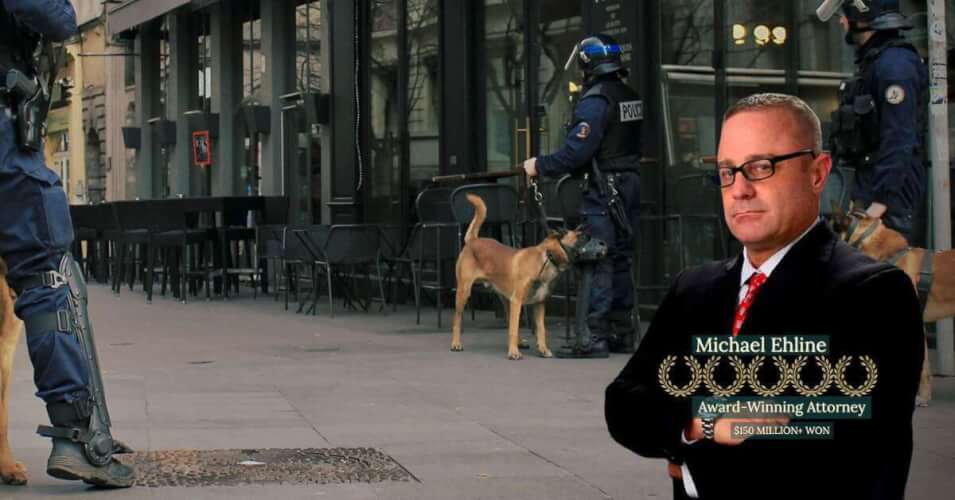
When Does a Dog Get Quarantined Following an Attack in California?

Under California Law, the Quarantine of Dogs Is Decided Based on a Case Case Basis

When Does a Dog Get Quarantined Following an Attack in California?
Los Angeles Dog Bite Attorneys

Quarantine of a dog that attacked or bit someone is often the first step to euthanizing the animal or letting it free. Quarantine isolates an animal or person from others to rule out some contagious disease or keep a dangerous person or animal from the general public. As we covered in a related article, there are many cases in which a dog is euthanized following a severe attack.

However, dogs are usually only put down when a dog attacks people twice because this dog is legally too dangerous. In other cases, the execution of the animal happened because of the violent attack training that taught the dog to attack humans or other animals specifically.

Each case can also result in criminal charges against the dog’s owner. However, a judge or animal control may make a different decision. Quarantine is yet another option for out-of-control dogs. It is often not as publicized as putting the dog down. However, the choice depends on the circumstances.

Does The Attacking Dog Carry a Communicable Disease?

A dog owner can take specific responsibility for a dog after an attack. This can include accepting responsibility for the dog after the attack. So, in a strict sense, a quarantine should always be after a dog bites a person. However, the dog is held for multiple purposes, including the risk to the general public.

But the most crucial reason for isolating a dog is determining whether it carries rabies. The dog must remain quarantined for at least ten days, often at the owner’s home or the pound. Following an attack, there are further considerations. Also, the dog’s owner can sometimes choose not to have it put down.

This is often the case if the assault is not severe. Noteworthy here is that in other cases, the dog is not automatically put down if this was the first such attack. Furthermore, the dog’s training is a significant factor in whether it lives or dies at the hands of Animal Control agents. If the dog is not trained to attack, the chance of euthanasia severely declines.

Euthanasia an Option

However, the owner may still decide to put the dog down if it is a danger to others based on sound judgment. Local animal control or a judge may furthermore recommend the dog’s destruction. But it is usually a tough decision and one not taken lightly. Last, an administrative appeal and hearing process allows judicial intervention when the parties, including victims, cannot agree on the fate of the isolated dog.

Conclusion

Above, we looked at dog quarantines and when they are proper. We also discussed putting individual dogs down and ruling out diseases. Check out our dog bite attorney page here to learn more about California dog bite law.

Should San Jose Stop Using Police Dogs as SJPD under Serious Scrutiny

There has been a serious debate over whether law enforcement agencies should use police dogs to apprehend suspects and criminals. Recently, the San Jose Police Department received a lot of backlash about the role of their police dog and the damage done over the past few years. Let’s explore the details of the news report with Ehline Law and our personal injury attorneys.

Shocking Police Reports Suggest Excessive and Unnecessary Use of San Jose’s Police Dogs

Santa Clara County Sheriff Sgt. Sean Allen has witnessed over 200 police dog bite incidents while serving in the San Jose Police Department. According to Allen, the damage inflicted by police dogs is almost similar to shark bites and can leave a person with shattered bones, pieces of limbs torn off, and severe disfigurement.

What’s shocking is that most police dog bite incidents involve people running or hiding from law enforcement officers. In many cases, most people who run or go into hiding are not even suspects or criminals. They’re people who fear the police and, in a panic, decide to run for it when they see a law enforcement officer approaching them. To a San Jose police officer, a running man raises suspicion and alarm, causing them to release the police dog to catch and apprehend the person.

Allen raised concerns over the lack of training of police officers that led to innocent people suffering serious injuries from police dog bites. Often, dog bites can lead to severe emotional trauma, scarring the victims for life. In some cases, dog bites can be fatal, resulting in a slow and painful death.

Currently, California state laws allow police officers to decide whether to use a police dog in a particular situation. No clear rules or statewide standards address how and when an officer should use a police dog. This grey area in the law has allowed the San Jose Police Department and other law enforcement agencies across California to manage canine units to their liking.

Allen and several advocacy groups in San Jose are urging the state to create standards to help prevent unnecessary injuries and casualties across the city. Until then, the group is requesting that the state and the San Jose law enforcement agency ban the use of canine units.

There must be other ways to apprehend people without tearing off the flesh or causing bones to shatter. People who are presumed innocent must not have to worry about getting attacked by the San Jose police dog while walking down a street or sitting in their cars.

Under the San Jose police dog policy, the officers have full authority to release canine units when required to track and bite people suspected of a crime or resisting law enforcement officers. The law also allows police officers to deploy dogs to neutralize armed individuals or those threatening law enforcement officers.

A San Jose Police Department representative stated that the canines responsible for apprehending violent felony suspects and terrorists are the department’s critical assets, according to Sgt. Christian Camarillo, canine units, and their officers undergo intense training to ensure the safety of the public and its police officers.

Black and Other People of Color Are Disproportionately Represented in Police Dog Bites

According to an investigation by The Marshall Project, a nonprofit online journalism organization, San Jose police dogs have bitten 167 people in the last five years, the highest number of dog bites recorded by a police department in California.

Most of the 167 dog bites involve blacks or other people of color. Black residents make up 14% of the police dog bite incidents in San Jose, a staggering figure, especially when black residents only make up 3% of the entire San Jose population. 

Hispanic residents are the ones seriously affected by police canine attacks. Although they comprise 31% of the city’s population, they contribute to more than half of police dog bite incidents.

When you compare these figures to the white population, the disproportionate representation becomes clear. White people represent 35% of the city’s population but comprise only 20% of the police canine bites. Such dog bite statistics make the San Jose police dog bite problem a racial justice issue and is becoming a severe problem for the taxpayer.

Every year, the city has to dish out millions of dollars to compensate injured victims who pursue lawsuits against the San Jose Police Department.

Lawsuit Against San Jose Police Department for the Use of Police Dog

There is an ongoing case against the San Jose Police Department where a police dog bit a man whose girlfriend robbed a store. In February 2020, a San Jose police officer deployed a canine on Anthony Paredes, a 41-year-old resident, suspecting him of assisting his girlfriend in a liquor store robbery.

The police body camera video showed the canine latching his teeth into the man’s throat for a solid minute before letting go. The dog shredded his windpipe and fractured his thyroid cartilage, affecting his ability to sing every Sunday at the Church. Paredes sued the San Jose Police Department for $11 million.

According to the police report, Paredes threatened the store clerk with a knife, but CCTV footage shows that the victim never brandished a knife. Civil rights attorney Izaak Schwaiger, who is representing Paredes, stated that the police deployed the dog on Paredes, who was hiding in a trashcan, and then started to pull on the canine, which is against training provided to canine units as dogs have curved teeth and pulling them back can cause further tears.

Pro-K9 advocates like Don Cameron, a retired Bay Area police officer, believe law enforcement officers must use force, especially in the case of Paredes. The suspect was hiding in a trashcan, making it difficult for the police to use batons, and there was serious doubt about whether he had any weapons with him at the time of the arrest.

Should San Jose Stop Using Police Dogs: Lack of Accountability in Police Department Is a Serious Concern!

Another shocking incident occurred in 2017 when the San Jose police officers arrived at a home to serve an arrest warrant. The police alleged that the situation required the use of police dogs, but when they deployed the canine, officer body camera footage showed that the police dog bit a 22-month-old girl who suffered severe injuries from the traumatic encounter. Fortunately, the Police Department agreed to cover the girl’s medical bills.

It’s not just San Jose, where the police department is running a “purge,” but other cities. In 2011, there was a wrongful death lawsuit filed against Hayward, a city in Alameda County, after a police dog fatally attacked a wrong person. The city settled the case with the grieving family for $1.5 million.

The problem lies within the police department. The incidents mentioned above are just a few reported by the department or the media. Many police dog bite incidents occur that do not get reported and remain buried with the help of the Police Department.

Police Departments such as the San Jose Police Department fail to hold the officers responsible for their actions. Most police officers continue to use excessive force in situations where there is no need for such actions. It is much easier to justify the injuries when they deploy a canine than to justify an officer hitting the person in the head 40 times before arresting them.

The officers also do not receive training on the presumption of innocence. There is a negative culture among law enforcement, where those who run or hide from the police are often presumed guilty. However, many people of color have seen police brutality firsthand and are afraid of facing similar consequences. Even though they’re innocent, their fear forces them to run or go into hiding.

Police departments must bring in leaders who promote values and help transition from the negative culture within law enforcement agencies. Leaders who care about the community can hold officers accountable for their negligence and ensure that the police department operates with integrity and sincerity while serving and protecting the residents.

Civil Rights Violation: Suing Law Enforcement for Using Police Dogs

Although law enforcement agencies can legally use police dogs when apprehending suspects or terrorists, state laws vary on how and when they can deploy their K-9 units. 

Under California law, every police department and officer has the authority to use canines if they feel that the situation requires it. Such loose laws make it challenging for injured victims to pursue a lawsuit against the state, but it’s not impossible.

Using K-9 units must be reasonable, and the court will look at many factors before determining whether the police officer was responsible for the damages caused. Some of these factors include:

  • Type of crime the victim was suspected of
  • Did the police have reasonable doubt that the victim was armed and dangerous?
  • The extent of injuries sustained by the victim
  • Did the police exhaust all reasonable methods of apprehending the victim before using the police dog?
  • How long did the police dog hold the bite, how many times did it bite the victim, and did the police officer do anything to stop it?
  • Was the victim a bystander or a suspect in a crime?

Use of excessive force, which includes deploying police dogs, is a violation of the Fourth Amendment rights. Innocent bystanders have the right to bring a civil lawsuit against the Police Department to recover damages incurred from police dog bites.

If the victim is a suspect in a crime, the police cannot use excessive force unless there is no other option. As discussed above, law enforcement officers take advantage of the power that comes with their badges. In some cases, they end up abusing suspects by using excessive force when not necessary. 

In such situations, injured victims may be able to bring a lawsuit under the Federal Civil Rights Act of 1964. It is best to consult an experienced civil rights attorney to learn more about your rights.

Schedule a Free Consultation with Ehline Law

Ehline Law and our personal injury attorneys do not practice civil rights law, but we have over 15 years of experience handling personal injury claims in California.

If you’ve suffered injuries due to the negligence of another individual or entity, contact us at (833) LETS-SUE for a free consultation, as you may be able to seek compensation.

Will Insurance Pay For A Dog Bite?

Dogs are a man’s best friend. However, even the most well-behaved pups can deliver nasty dog bites, resulting in severe injuries and death in the worst-case scenario.

Getting a dog bite can lead to financial instability, with the unexpected hospital and medical bills piling up.

If you cannot go to work, the lost wages can break many families financially. Besides this, emotional trauma can be devastating for many, necessitating the need for an injury insurance attorney in places like Los Angeles, where dog attacks are expected.

The Insurance Information Institute reports 90 million dogs residing in American homes, and almost 5 million people are victims of dog bites annually. If you’ve gotten injured by a dog in an attack, contact a Los Angeles, California, dog bite injury lawyer, as you may be eligible for compensation by filing a personal injury claim.

Homeowners Insurance, Liability Insurance, and Dog Bites

Homeowners insurance generally provides liability coverage for dog bites and other mishaps. What’s interesting about this type of insurance is that the dog bite insurance coverage applies to your property and nearby places.

For example, if you visit a dog park and your furry friend bites one of the park’s dog owners, your homeowner’s insurance covers the incident. However, dog bites and homeowners insurance can hold the insured responsible for precarious situations.

Take, for instance, a dog bite on your property to an individual, but the dog does not belong to you. In this situation, the injured can file claims against you. Sometimes, coverage is available under your dog bite insurance, even if the dog is not yours. This is because the incident occurred on your property, which is then covered by your insurance policy. Does that make sense?

There have been cases where burglars had won a lawsuit against the homeowners because their dogs put severe injuries on the burglars when they were trying to rob the house. Under homeowners insurance, liability insurance coverage extends to such situations as well.

Disclose the Breed to the Insurance Company

You must disclose that information to your insurance company if you have a dog. Insurance companies need information like the breed of the dog, history of dog bites, and other relevant information to determine the premiums on a homeowners insurance policy.

The premiums for dogs with a history of bites or aggressive breeds of dogs like pit bulls are high, as the chances of them biting a guest or any other individual are considerably higher. Even if you have a pit bull that is friendly with people, you need to disclose that information to your insurance agent.

Failure to do so will result in claims denial. Hence, you must pay for medical expenses and other damages if your dog bites anyone. Although homeowners insurance covers dog bites, you should consider getting additional coverage or an umbrella policy if you have an aggressive dog breed. This covers any damage done to a dog bite victim if your homeowner insurance policy maxes out.

What to Do After You Get Dog Bite Injuries

Just like any other incident, you need to get to a safe place if you’re bitten by another dog that is not your own. The dog owner is responsible for restraining their pet while you compose yourself and ask for insurance and contact details from the other dog owner. Try to get contact details of any nearby witnesses, as this could help build a strong case. Once done, head to the hospital for a medical emergency immediately.

Your health insurance should cover dog bite injuries if a stray dog bites you. You need to notify your insurance company immediately to avoid future claims issues.

Call Us Today About Dog Bite Insurance Issues

Every state law varies regarding dog bite claims, and there are different implications for medical payment coverage. For more information on California dog bite liability claims, contact us at (213) 596-9642, and an expert attorney will guide you on a dog owner’s insurance.

Tetanus and Dog Attacks

A Preventable Disease, Especially with Vaccination

Tetanus and Dog AttacksTetanus is one of the earliest attested diseases in human history. And it is also one of the most painful and deadly. Fortunately, like Rabies, tetanus rates in the Western world have fallen dramatically over the last century. However, tetanus is still not uncommon among hot or developing societies. Furthermore, it is still found in the United States every year. This is especially true due to puncture wounds, including those caused by animal bites. Tetanus can be avoided and even treated after showing symptoms. However, tetanus often leads to death and should be treated with grave concern.

Sometimes Tetanus is Transmitted via Animal Bites?

Tetanus is relatively rare in dogs, yet the bacteria can be carried by saliva. While we tend to identify the disease with rusty nails, it can be taken by saliva, rust, or soil. It is most commonly spread due to deep puncture wounds. Doctors recommend receiving a tetanus shot at least once every ten years. Originally called lockjaw, the disease causes severe muscle spasms. As the name suggests, this usually occurs in the jaw and spreads to other body parts.

In some cases, the muscle strain is so severe that it can prevent a person from moving or even breaking bones. In other instances, tetanus can cause severe issues, leading to respiratory failure. Furthermore, even with treatment, tetanus can lead to death. After showing symptoms, 10% of patients with the disease die, even with treatment. Dog bites are a vector for the spread of tetanus.

The disease incubation period is commonly around ten days, although in some cases, it could be up to several months. The first symptom will often include muscle spasms or stiffness and can also include sweating and fever. If you are not sure, contact a doctor ASAP. Tetanus is nothing to trifle with. Seek medical treatment. There may still be time for vaccination. For more expert discussions by our lawyer, check out our blog.